2009년 Culture Clash Episode 원작을 최신 세계시민교육(GCED) 관점과 3D·구글어스·음성 AI 기술로 재구성한 전체 24개 과입니다(현재 회원가입 없이 무료 체험)(무료 체험 4개 과 · 전체 24개 과는 프로 구독). 실제 문화충돌 에피소드를 읽고·듣고·말하고·쓰면서, 관찰 → 맥락 → 존중 표현 → 세계시민 액션의 흐름으로 학습합니다.
영국 가든파티에서 만난 스코틀랜드·아일랜드·웨일스 사람들 — 고정관념과 과잉일반화. 빙고 게임·낱말 매칭.
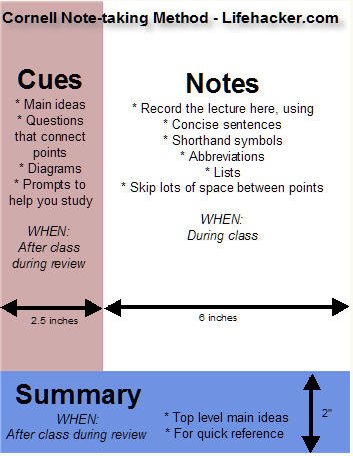
뉴욕의 한국인 의사에게 생긴 일 — 동의(consent)와 설명의 문화. 빙고 게임·낱말 퍼즐·코넬 노트.
이름으로 부르는 서구 문화 vs 호칭을 중시하는 유교 문화 — 호칭과 존중. 빙고 게임·존중 표현 리허설.
아기를 잠시 혼자 둔 유럽인 여행자의 체포 — 양육·안전을 둘러싼 법과 문화 차이. 빙고 게임·K-W-L 차트.
높은 다리에서 강으로 뛰어드는 영국 아이들 — 보호와 자립, 양육 철학의 차이. 빙고 게임·헤링본 정리.
옥스퍼드의 "First Come, First Served" — 공정성과 약속의 문화. 사건 순서 퍼즐·Jeopardy 게임.
영국 식당에서 화를 낸 손님 — 한국과 영국의 '손님과 종업원' 문화 차이. 빙고 게임·낱말 매칭.
파티에서 배불리 먹지 못한 유학생 — 사양하는 예절과 '권하는 문화'의 차이. 빙고 게임·낱말 매칭.
"할머니"라 불리기 싫은 영국 노부부 — 호칭·나이·존중을 둘러싼 동서양 가치. 빙고 게임·낱말 매칭.
미디어가 다른 문화를 다루는 방식 — 디베이트 입문 + AI 시대 미디어 리터러시. A-R-E 빌더·음성 인식 스피킹.
호주 홈스테이에서 쫓겨난 유학생 — 문화 차이일까, 오해일까? 빙고 게임·첫 입론(A·R·E) 디베이트.
학교는 눈을 보라, 아빠는 보지 말라 — 눈맞춤의 문화 차이. 빙고 게임·반박(refutation).
붐비는 곳에서 매번 사과하기 — 고맥락 vs 저맥락 문화. 빙고 게임·2차 입론.
사생활을 묻는 질문들 — 개인 정보와 호기심의 문화 차이. 빙고 게임·POI(질의응답).
핵심을 끝에 두는 아시아식 글쓰기 — 연역 vs 귀납. 빙고 게임·인상적인 연설 오프닝.
파리 식당에서 다같이 나눠 먹는 한국인들 — 개인주의 vs 공동체주의. 빙고 게임·설득문 입문.
공항에서 돈 봉투를 주고받는 소동 — 체면과 '주고 사양하기' 문화. 빙고 게임·근거 세우기.
토론에 약한 한국 학생들과 유교의 수직 관계 — 소통 방식. 빙고 게임·초고 쓰기(모범 에세이).
"언니·오빠"로 부르는 친밀함 — 호칭과 관계 중심 문화. 빙고 게임·고쳐쓰기(revising).
돈 이야기를 꺼리는 한국 vs 분명히 묻는 미국 — 돈에 대한 이중 기준. 빙고 게임·다듬기(editing).
"Yes"가 "No"가 되는 순간 — 책임 있는 약속과 설득하는 글쓰기. 라이팅 스튜디오·액션 프로젝트.
AI가 만든 가짜 재난 사진 — 진짜와 가짜를 가려내는 팩트체크 습관. 빙고 게임·팩트체크 체크리스트.
익명 댓글에 상처받은 소녀와 온라인 탈억제 효과 — 화면 너머의 사람 존중하기. 빙고 게임·댓글 다시쓰기.
재미로 누른 '허용' 하나가 친구들의 정보까지 넘긴 이야기 — 데이터 발자국과 최소 권한 원칙. 빙고 게임·권한 판단하기.
어휘 매칭 게임에서 맞힌 단어가 자동으로 모입니다. 단어를 누르면 발음, 복습 퀴즈로 기억을 점검하세요. (4단어 이상 모이면 퀴즈 가능)
각 과의 배경지식을 30초 카드뉴스 영상으로! (각 과의 1단계 PREP에도 들어 있습니다)
Ep.1 몸과 동의의 문화
Ep.5 세계의 줄서기 문화
Ep.9 음식 문화와 금기
Ep.16 Yes와 No의 세계
선생님이 만든 학급 코드로 들어와, 문화충격 경험과 질문을 함께 나눠요. (모든 글은 선생님 승인 후 공개 — 안전하게!)
문화충격을 만났을 때 나의 반응으로 알아보는 세계시민 유형(6가지). 수업 도입(아이스브레이킹)이나 친구와 공유용으로 좋아요.
각 과는 PREP(예측) → STORY(에피소드) → PLAY(게임) → WORDS(어휘) → EARTH(3D 탐험) → TALK(토의) → ACTION(세계시민 실천) 7단계입니다. 상단에서 Basic/Advanced 수준을 고르고, 선생님은 교사 모드를 켜면 정답·수업 팁·민감 주제 주의사항이 보입니다. 모든 답안은 이 브라우저에 자동 저장됩니다. 🔊 버튼은 음성으로 읽어 주고, 원본 MP3가 폴더에 있으면 오디오 플레이어로 재생됩니다.
지금 보시는 건 파일럿 4개 과입니다. 전체 24개 과와 인쇄용 활동지·정답키·학급 운영 가이드는 도입 플랜에서 제공됩니다. 정식 오픈 전 파일럿 학교는 전체 기능을 무료로 쓰실 수 있어요.
READING · 뉴욕 병원에서 생긴 문화충돌 — 늘 하던 대로 했을 뿐인데, 왜 문제가 되었을까? 핵심 가치: 동의(consent)와 설명하는 문화 · 읽기 전략: Cornell Note-taking
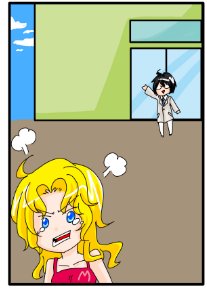
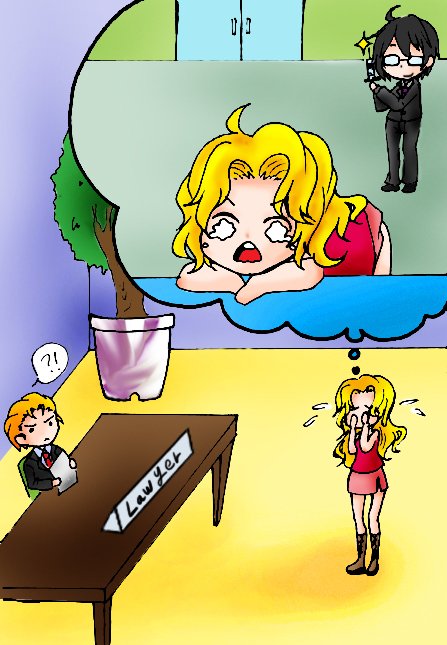
아래 만화 4컷의 순서를 모둠과 추측해 보고, 어떤 이야기가 펼쳐질지 영어로 써 보세요. 마지막 컷에서 의사는 이렇게 말합니다: "I just did what I used to do in Korea!"
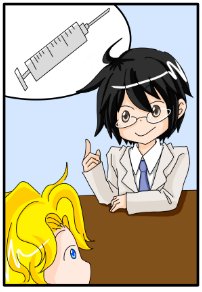
I visited my older brother in New York. He is a doctor there. From his office window, we could see the Statue of Liberty. He told me this story about his friend.
A Korean doctor got a job at an American hospital. One day, he had to give a woman patient an injection. In Korea at that time, doctors often slapped the patient's hip lightly before the shot, to relax the muscle. So he did the same thing — but he did not explain why, and he did not ask first.
A few days later, a lawyer called him. The patient was suing him! The doctor said, "I just did what I used to do in Korea!"
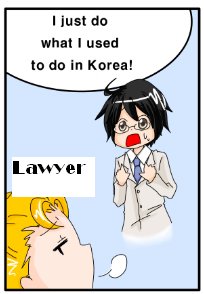
The lawyer answered, "You made two mistakes. First, you did not know how American doctors usually work. Second, you did not explain your action or ask for the patient's permission."
The doctor had to spend a lot of money to learn one lesson: in a new culture, explain first and ask first.
1I started my long-desired graduation travel by flying to my elder brother, who is working as a doctor in New York. He worked as a plastic surgeon in Korea and found a job at a hospital in New York after finishing a medical course at Washington University School of Medicine. I met him in his office, which commands a distant view of the Statue of Liberty standing at the entrance to New York harbor. This is a story I heard from my brother when I visited him.
2"This is a story about one of my colleagues. My fellow Korean doctor had gotten his U.S. medical license and began working in a hospital in America. At the beginning, he had a hard time adapting himself to the American way of treating patients. One day, when he was treating a woman patient, he needed to give her an injection. He asked her to pull down her underwear and told her, 'Don't strain your muscle!' In the next moment, while slapping her buttock with one hand, he shot a needle into her buttock muscle with the other hand, as he used to do in Korea.
3Some days later, a lawyer called the doctor and inquired what he had done to the woman patient in the process of giving her an injection. The lawyer told him that the woman patient was suing him for sexual harassment. The doctor explained that slapping a patient's buttock in the act of giving a shot was a usual procedure for Korean doctors, in order to lessen the strain of muscles. The lawyer, in turn, asked him, 'Did you explain the reason for slapping her to the patient in advance?'
4'No. But I assumed it was a usual procedure for American doctors.'
5'You admitted two faults. One was that you didn't know the usual procedures of American doctors. The other was that you didn't explain to your patient why you did it, nor asked her permission to do so.' The Korean doctor had to hire a lawyer to defend himself. It cost him much to learn about American culture."
숫자를 고르면 본문에 관한 문장이 나옵니다. True/False를 맞히면 그 칸이 내 칸(파랑)이 되고, 틀리면 AI 팀(빨강) 차지! 한 줄(가로·세로·대각선)을 먼저 만들면 승리합니다.
USA Today 기사 "Lawsuits are drowning America"(2003)의 문장 블록입니다. 드래그하여 논리적 순서로 배열한 뒤 확인을 누르세요.
왼쪽 단어와 오른쪽 뜻을 차례로 클릭해 짝을 맞추세요. 단어를 누르면 발음도 들려줍니다.
읽은 내용을 코넬 방식으로 정리해 보세요. 자동 저장됩니다.
이야기 속 형의 사무실에서 보이던 자유의 여신상으로 가 봅시다. 위성 지도를 움직여 보고, 미션을 수행하세요.
1_Statue_of_Liberty.kmz)을 Google Earth Pro에서 열면 동일 지점이 표시됩니다.의사가 이렇게 말했다면 어땠을까요? 아래 표현을 듣고 따라 말해 보세요.
남해에서 근무한 원어민 교사 Nate의 실제 경험담 — 동료를 BBQ 파티에 초대했을 뿐인데 학교 전체에 소문이 퍼진 이야기. 원본 교재 STEP 4를 읽고 토의하세요: Nate와 Miss Kim, 각자 무엇을 먼저 물어봤어야 했을까?
관찰→맥락→존중을 배웠으니 이제 실천입니다. 우리 교실/학교에서 '먼저 묻는 문화'를 만드는 행동 하나를 약속하세요.
나 또는 가족이 겪은 '늘 하던 대로 했는데 오해가 생긴 순간'을 영어로 90초 녹음해 보세요. 문장 시작 도움: One day, I ... / I thought it was normal, but ... / Next time, I will ask first because ...
READING · 영국 가든파티에서 "영국 신사도"를 칭찬했다가 생긴 일 — 누가 영국인이고, 누가 아닐까? 핵심 가치: 고정관념(stereotype)과 과잉일반화 경계 · 읽기 전략: 정의 만들기 + 좋은 점·나쁜 점 따져 보기
다음 빈칸을 모둠과 함께 채워 보세요. 정답을 맞히는 것보다 '어떤 생각이 고정관념일까'를 함께 떠올리는 것이 목적입니다.
When I was in Britain, I went to a garden party soon after I arrived. At a table, I praised English gentlemanship. To my surprise, everyone stared at me with their eyebrows raised.
The man next to me said, "You took a seat at the wrong table. We are not English. We were just talking about English arrogance. I am from Scotland. There are two Irish, one Scottish, and one Welsh here."
"But aren't you all one nation?" I asked. "Yes, we are all from the U.K.," he said, "but not everyone in the U.K. is English. The English are the majority, but we Irish, Scottish, and Welsh like to keep our own identity and pride."
He added, "English people say: 'The Irish are lazy, the Scottish are stingy, the Welsh are dishonest.' Isn't that just over-generalization? A kind of cultural stereotype." I learned that one sentence can never describe a whole people.
When I was in Britain for a year, I was invited to a garden party. It happened not long after I arrived there, so I didn't know much about the life there. At a table, I mentioned something about English people's gentlemanship. Contrary to my expectations, however, all those sitting at the table stared suspiciously at me with their eyebrows raised. I was too embarrassed to know what to say next. Finally, I whispered to the gentleman next to me, "I said so just for diplomatic intent. Did I say something wrong?"
"No, you didn't say anything wrong. But you took a seat at the wrong table." "What do you mean by the wrong table?" "We are not Englishmen. Honestly, we had been talking about the Englishmen's arrogance as a negative character trait just before you came over to this table." "I assumed all those present at this party were English. Where are you from then?" "I am from Scotland. There are two Irish, one Scottish, and one Welsh at this table."
"You are the people of one nation, aren't you?" "Right. We are subjects of the United Kingdom. But not all the people of the U.K. are Englishmen." "But the English are the majority." "Correct. But minority groups in Britain — the Irish, Scottish, and Welsh — like to keep their identity and pride."
"You mentioned an Englishman's arrogance. Then what are the negative traits of the Irish, Scottish, and Welsh?" "English people, in general, say: 'The Irish are lazy, the Scottish are stingy, and the Welsh are dishonest.'" "Don't you think this judgment is the outcome of over-generalization?" "Maybe. A kind of cultural stereotype. We can think of innumerable kinds — like 'Western Culture is individualism, Asian Culture is collectivism.' Or: 'Britain is heaven for the police but hell for the cooks; France is heaven for the cooks but hell for the mechanics; Germany is heaven for the mechanics but hell for the police.'"
숫자를 고르면 본문에 관한 문장이 나옵니다. True/False를 맞히면 그 칸이 내 칸(파랑), 틀리면 AI 팀(빨강) 차지! 한 줄을 먼저 만들면 승리합니다.
왼쪽 단어와 오른쪽 뜻을 차례로 클릭해 짝을 맞추세요. 단어를 누르면 발음도 들려줍니다.
본문을 바탕으로 'stereotype(고정관념)'과 'culture(문화)'를 내 말로 정의해 보세요. 자동 저장됩니다.
'영국 = England'가 아니라는 것을 지도로 확인해 봅시다. 스코틀랜드의 수도 에든버러로 가 보세요.
고정관념에도 '쓸모'와 '위험'이 함께 있습니다. 각각을 영어로 한 가지씩 써 보세요.
관찰→맥락→존중을 배웠으니 이제 실천입니다. 고정관념을 의심하는 습관을 약속하세요.
내가 한때 믿었지만 사실이 아니었던 고정관념 하나를 영어로 90초 녹음해 보세요. 시작 도움: I used to think that ... / But then I met ... / Now I know that ...
READING · 젊은 비서가 노교수를 이름으로 부르자 생긴 오해 — 호칭은 문화마다 다르다. 핵심 가치: 호칭과 존중, 정체성 · 읽기 전략: 핵심 내용 잡기(Main Points)
한 젊은 회사 동료가 나이 많은 교수님께 이렇게 말합니다: "Hi, Youngsoo! A beer today, okay?" 교수님의 표정이 굳었습니다.
A Korean professor in his fifties was a visiting professor in Philadelphia. He wanted a friendly relationship with the male secretary of his department, so they sometimes drank together at a bar.
One day the secretary said, "Hi, Youngsoo! A pint of beer today, okay?" The professor abruptly said, "No!" The secretary, shocked, backed away without knowing why. The professor grumbled, "A young man my son's age calls me by my first name. What a shame!"
Later he told the story to my brother and me at dinner. We laughed, and my brother said, "I have a good idea, Professor. Tell him that Koreans address their seniors by an honorary nickname — and that yours is 'Kyosunym' (Professor)."
It worked! After he went back, the secretary called him by his new name, and the professor was very pleased. Neither of them was wrong — they simply followed different customs.
In the evening of the day I arrived in New York, my brother and I met a Korean professor, who had been driving from Philadelphia to see us. He seemed unhappy about something that had happened between him and the secretary of his department. This is the story of why he felt offended.
The Korean professor, in his fifties, was staying at a university in Philadelphia as a visiting professor. He felt it necessary to develop a personal relationship with the male secretary of the department, so from time to time he drank with him at a nearby bar. One day the secretary approached him and said, "Hi, Youngsoo! A pint of beer today, okay?" The professor, raising his eyebrows, spat out in spite of himself, "No!" The secretary was shocked by his abrupt response and asked, "What's the matter? I'll treat you today." "No way!" The secretary backed away without knowing the reason for the professor's refusal. But the professor grumbled to himself, "The young guy who's my son's age calls me by my first name. What a shame! From now on, I'll never see him informally."
The professor told this story to my brother and me when we had dinner together at a restaurant in Manhattan. We burst out laughing. My brother smilingly said, "I have a good idea, Professor." "What's that?" "You can have him call you Kyosunym (Professor in Korean)." "How?" "You can tell him that Koreans address their seniors by their honorary nicknames. And then tell him that your honorary nickname is Kyosunym." "That's a really good idea!"
After he came back to Philadelphia, he gave us a ring and said the secretary was calling him by his new nickname. His voice told us that he was really pleased by the success of the strategy.
숫자를 고르면 본문에 관한 문장이 나옵니다. True/False를 맞히면 그 칸이 내 칸, 틀리면 AI 팀 차지! 한 줄을 먼저 만들면 승리합니다.
왼쪽 단어와 오른쪽 뜻을 차례로 클릭해 짝을 맞추세요. 단어를 누르면 발음도 들려줍니다.
괄호 안에서 알맞은 말을 골라 문장을 완성하세요. 자동 저장됩니다.
Westerners like to address a friend by his or her (first / last) name. It is taken for granted that an American woman calls her husband by his (first / last) name. But that would raise the eyebrows of Korean people, because it is (acceptable / unimaginable) in Korea. It is considered mannerless for a Korean to address his or her (juniors / seniors) or (inferiors / superiors) by their first names. All these Korean customs originated from (Confucian / Christian) ethics.
이야기의 무대는 필라델피아와 뉴욕이지만, 원본 교재가 안내하는 북미의 명소 나이아가라 폭포로 가 봅시다.
2_Niagara_falls.kmz)를 Google Earth Pro에서 열면 동일 지점이 표시됩니다.호칭으로 오해가 생기지 않게, 먼저 묻는 표현을 듣고 따라 말해 보세요.
남해에서 근무한 원어민 교사 Nate의 경험담 — 네 사람에게 국 한 냄비가 나오자 놀란 이야기. 서구의 '개인 접시' 문화와 한국의 '함께 나누는' 문화를 비교합니다. 토의: 나누는 문화와 개인 문화, 각각의 장점은 무엇일까?
관찰→맥락→존중의 마지막은 실천입니다. 호칭으로 상대를 존중하는 행동을 약속하세요.
이름이나 호칭 때문에 생긴 작은 오해를 영어로 90초 녹음해 보세요. 시작 도움: Once, someone called me ... / I felt ... / Now I think the best way is to ask first because ...
READING · 아기를 우체국 밖에 잠시 혼자 둔 유럽인 여행자가 체포된 이야기 — 같은 행동, 다른 법. 핵심 가치: 법·안전을 둘러싼 문화 차이, 판단 전에 맥락 · 읽기 전략: K-W-L 차트
K-W-L은 아는 것(Know) → 궁금한 것(Want) → 배운 것(Learned)으로 읽는 전략입니다. 읽기 전에 K와 W를 먼저 채워 보세요.
A European gentleman took his family to the United States. One day in Los Angeles, he had business at the post office. His baby was asleep in her stroller, so he left her outside and went in to wait in line.
Suddenly, a policewoman came in and arrested him. At first he was at a loss. Then he learned the reason: the baby had been crying alone, and some people called the police. In the U.S., it is against the law to leave a small child unattended.
The man explained, "In our country, parents often leave their children alone, but the children are safe. People watch out for each other's children. I thought it was the same here." The police investigated and found this was true in countries like France, Denmark, and Sweden. So they let him go.
"I am sorry to have broken the law in your country," he said. "I am sorry not to have known the law in your country. I envy you and your peaceful society," the policewoman replied, smiling and waving.
I headed for the second destination of my travel, Los Angeles, to see my friend who worked as a policeman there. I met him six years ago when I was studying in the USA. He was Hispanic, so he understood well what it was like to live in America as a non-white person. This is a story he told me while we were walking around Santa Monica.
A European gentleman took his family on a journey to the United States. One day, while they stayed in Los Angeles, he had some business at the local post office. His wife asked him to take care of their baby because she was busy ironing clothes. So the gentleman put his little daughter in her stroller and went to the post office. When he went in, the baby was asleep, so he left her outside. In the post office, he got in line and waited.
Suddenly, a policewoman entered and arrested the European traveler. At first, he was at a loss for what to say. But when he heard what had happened outside, he understood why he was under arrest. The baby had been crying alone in her stroller, and some people had called the police. Everybody in the city knows that it is against the law to leave a little child unattended. But the traveler replied, "In our country, parents often leave their children alone. But children are safe. Nobody hurts them. People watch out for each other's children. I thought things were the same in America."
In the course of the investigation, the police learned that what the traveler said was true. In some European countries — France, Denmark, Sweden — people really do leave their children unattended. The police let him go. As he left, the traveler said, "I am sorry to have broken the law in your country." "I am sorry not to have known the law in your country. I envy you and your peaceful society," the policewoman said, smiling and waving her hand. The traveler smiled back.
숫자를 고르면 본문에 관한 문장이 나옵니다. True/False를 맞히면 그 칸이 내 칸, 틀리면 AI 팀 차지! 한 줄을 먼저 만들면 승리합니다.
왼쪽 단어와 오른쪽 뜻을 차례로 클릭해 짝을 맞추세요. 단어를 누르면 발음도 들려줍니다.
PREP에서 적은 K·W를 다시 보고, 읽고 나서 배운 것(Learned)을 채워 차트를 완성하세요.
L — 이 글에서 새로 배운 것이야기를 들려준 경찰관 친구와 걸었던 산타모니카로 가 봅시다. 위성 지도를 움직여 보고, 미션을 수행하세요.
낯선 곳에서 규칙을 몰랐을 때, 다투지 않고 배우는 표현을 듣고 따라 말해 보세요.
남해의 원어민 교사 Nate가 신장결석으로 병원에 갔던 경험담 — 의사가 직접 차로 환자를 데리러 오고, 가족·친구가 간병하는 한국 병원 문화에 놀란 이야기. 토의: '가족이 돌보는 간병'과 '전문 간호'는 각각 무엇을 얻고 무엇을 잃을까?
관찰→맥락→존중의 끝은 실천입니다. 낯선 규칙을 만났을 때의 태도를 약속하세요.
내가 몰랐던 규칙·예절 때문에 당황했던 순간을 영어로 90초 녹음해 보세요. 시작 도움: One day, I didn't know that ... / I felt ... / Next time, I will check the local rules because ...
READING · 높은 다리에서 강으로 뛰어드는 영국 아이들을 보고 놀란 여행자 — 보호와 자립. 핵심 가치: 양육 철학의 차이, 위험과 성장 · 읽기 전략: Herringbone 패턴 + Story Map
이 과의 제목은 사자형(Lion-type) vs 캥거루형(Kangaroo-type) 양육입니다. 동물의 모습에서 양육 방식을 추측해 보세요.
While traveling near London, I visited a small village by a beautiful river. There was a high wooden bridge across it, about ten meters above the water. Three boys were hanging around on the bridge. It was a picturesque scene.
Suddenly, one boy fell into the water! "Oh, my God! A boy is drowning!" I ran toward the bridge, stumbling. But nobody around moved. Then a second boy fell, and a third. Finally I realized — they were diving for fun! They swam back and climbed up to dive again.
I asked an old gentleman sitting on the bank, "Shouldn't somebody stop them? It's so high." He smiled. "It's a kind of game. Their pushing and jumping are everyday scenes here." "Don't their parents forbid it?" "What for? Boys should be brought up to be brave and strong."
I thought deeply about it. "They have a lion-type child-rearing mentality here in the UK," I said, "but we have a kangaroo-type child-rearing mentality in Korea."
After traveling around the US, I flew to London, which was to be my starting point to travel around Europe. While I was staying in London, I took a few one-day trips out to the suburbs. This is a story about what I saw on one of the trips.
After a two-hour bus ride, I arrived at a small village surrounded by a river. The river was very beautiful. I could see plenty of fish swimming in the clean water and wild swans and ducks flying over it. There was a wooden bridge across the river, built for people and pet animals to pass. The bridge hung about ten meters above the water, and I could see three boys hanging around on it. It was really a picturesque scene.
Suddenly, one of the boys fell into the water. I shouted, "Oh, my God! A boy is drowning in the river!" I ran towards the bridge, stumbling and gasping. I expected other people around the bank to do something, but nothing happened. The riverside looked peaceful as usual. And the next moment, to my surprise, another boy fell in! Then the last boy fell too! Finally I realized that those boys were diving into the water for fun. They swam to the bank and climbed up for a second dive. Although I could breathe easier, I was still worried, and I wondered why the other people seemed undisturbed.
I approached an old gentleman sitting on the bank. "Don't you think somebody should do something about the boys?" "I understand what you mean," he said with a smile, "but it's a kind of game. The boys' pushing, jumping, and swimming are everyday scenes here in this season." "Don't you think they should forbid the boys to take such risks?" "What for? Boys should be brought up to be brave and strong." After hearing him, I was left to think deeply about the Korean way of rearing children. Finally I said, "They adopt a lion-type child-rearing mentality here in the UK, but we adopt a kangaroo-type child-rearing mentality in Korea."
숫자를 고르면 본문에 관한 문장이 나옵니다. True/False를 맞히면 그 칸이 내 칸, 틀리면 AI 팀 차지! 한 줄을 먼저 만들면 승리합니다.
왼쪽 단어와 오른쪽 뜻을 차례로 클릭해 짝을 맞추세요. 단어를 누르면 발음도 들려줍니다.
생선 가시(herringbone)처럼, 글의 핵심을 누가·무엇을·언제·어디서·어떻게·왜로 나눠 정리하면 한눈에 보입니다. 채워 보세요.
여행의 유럽 출발점이었던 런던으로 가 봅시다. 강 위의 다리, 타워 브리지를 위성으로 살펴보세요.
4_Tower_bridge,_London.kmz) 사용 가능.두 입장으로 나눠 근거를 한 가지씩 써 보세요. 정답은 없습니다 — 근거가 핵심입니다.
관찰→맥락→존중의 끝은 실천입니다. 나의 성장과 다른 양육 방식에 대한 태도를 약속하세요.
스스로 해내서 뿌듯했던 경험, 또는 보호받아 고마웠던 경험을 영어로 90초 녹음해 보세요. 시작 도움: One time, I did something by myself ... / My family protected me when ... / I think the best balance is ...
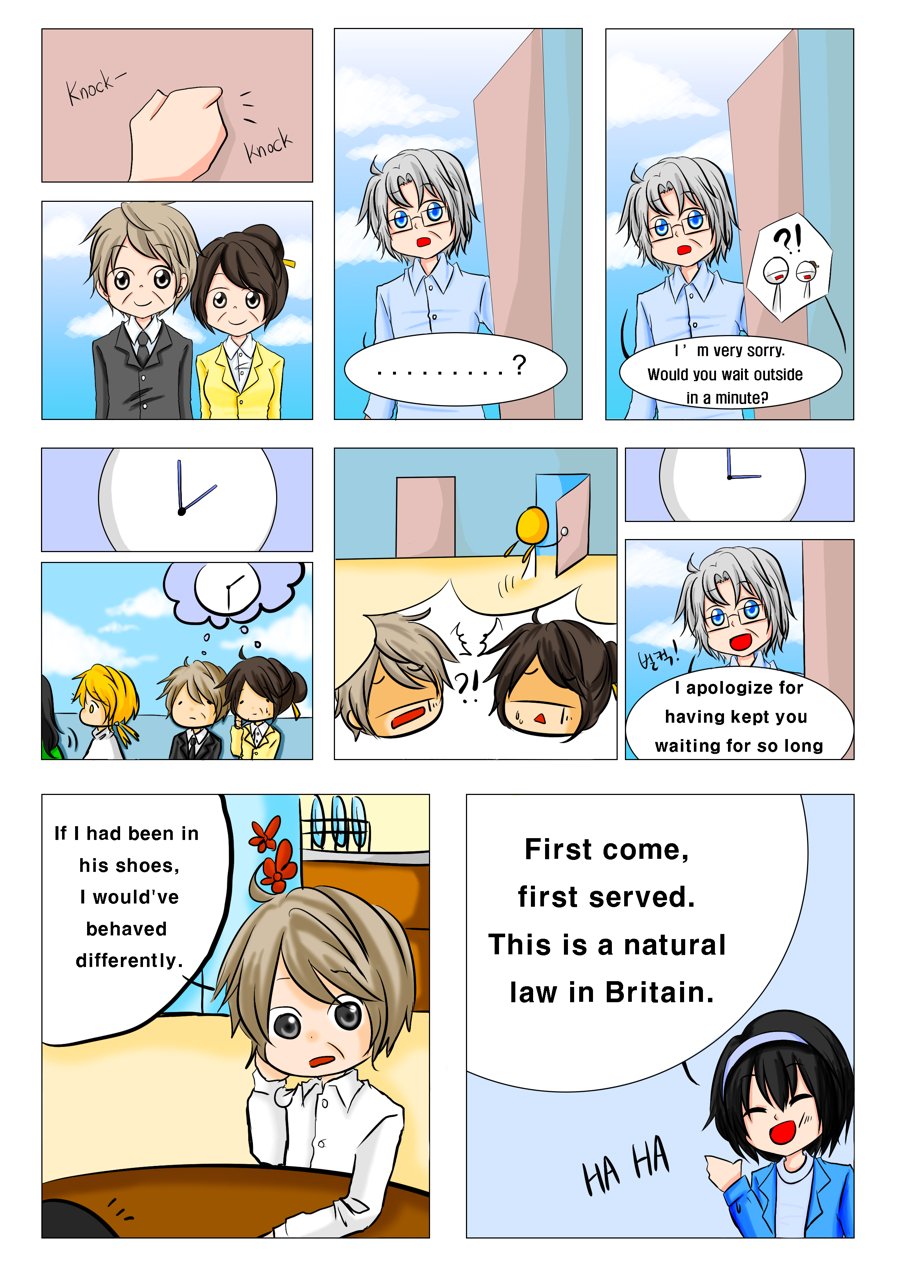
LISTENING · 옥스퍼드에서 만난 "First Come, First Served" — 공정함의 문화. 핵심 가치: 규칙·약속·경계(boundary) 존중 · 듣기 전략: 사건의 연쇄(chain of events) 파악
만화를 보고 무슨 일이 일어나고 있는지 추측해 이야기를 만들어 보세요. 마지막 컷의 말풍선: "First come, first served. This is a natural law in Britain."
문장을 듣고 들리는 대로 입력하세요. 단어 일치율 80% 이상이면 통과! (대소문자·문장부호 무시)
들은 내용 속 사건들입니다. 드래그해서 일어난 순서대로 배열하세요.
두 팀이 번갈아 카드를 골라 문제를 풉니다. 답을 말한 뒤 정답 공개를 눌러 확인하고, 맞혔으면 점수를 가져가세요!
cut the red tape — 복잡한 형식적 절차를 줄이다 (영국에서 공문서를 빨간 테이프로 묶던 관습에서 유래) · leave no stone unturned — 모든 방법을 다 동원하다 (BC 479년 그리스, 보물을 찾으려 돌을 전부 뒤집은 이야기에서 유래) · roll out the red carpet — 극진히 환영하다
900년 역사의 옥스퍼드 대학으로 갑니다. 여왕도 규칙을 바꾸지 못한 곳!
5_Oxford_University.kmz. 동기부여 단계에서 만화 대신 어스 탐험으로 시작해도 좋습니다(원작 교사용 지침).당신이 한국인 교수(Dr. Lee)라면, 영국 교수(Dr. Smith)에게 어떤 편지를 쓸까요? ① 초대에 대한 감사 ② 그날 느꼈던 솔직한 감정 ③ 한국의 손님맞이 문화 설명을 담아 보세요.
우리 주변의 공정한/불공정한 줄서기 사례 하나를 골라 90초 영어 리포트를 녹음하세요.
LISTENING · 영국 식당에서 화를 낸 한국인 손님 — 손님과 종업원의 관계는 문화마다 다르다. 핵심 가치: 서비스 노동 존중 · 듣기 전략: 사건의 연쇄(chain of events) 순서 잡기
한 손님이 영국 식당에서 큰 소리로 종업원에게 불평합니다. 들어보기 전에 생각해 보세요.
On a car tour around the U.K., a Korean family of four went to a restaurant in Oxford. The waiter stopped them at the door and asked how many they were. "Four," they said. "There's no table for four right now. Please wait outside — maybe fifteen minutes."
They waited outside, cold and hungry, for more than fifteen minutes. The brother-in-law began to grumble. When they finally sat down, the food took even longer. His grumbling grew louder. He shouted, "Who is the king in a British restaurant — the customer or the waiter?"
The waiter rushed over to ask what was wrong, but the man spoke in Korean, so the waiter could not understand. In Korea, the brother-in-law — a successful businessman — was used to giving loud commands to waiters, like to servants. He could not understand why customers should be polite to waiters in Britain.
During an eight days' car tour around the U.K., we happened to dine at a restaurant in Oxford. When we opened the door, the waiter stopped us and asked the number of our group. When I said "four," he told us to wait outside. "There's no table for four at the moment. Maybe fifteen minutes or so."
We waited outside. It was getting dark and we were cold and hungry. My brother-in-law began to grumble. We waited more than fifteen minutes before we were admitted. When I asked what to order, he said in a loud voice, "Order some food that is warm and hot. I am almost dying of cold and hunger. Tell the waiter to bring the food as quickly as he can."
But we had to wait much longer than we had outside. My brother-in-law's grumbling grew louder and louder. I reminded him, "Do in Rome as the Romans do." But he shouted back, "Who is the king in a British restaurant, the customer or the waiter?" The waiter rushed to our table and asked what was wrong. As my brother-in-law spoke in Korean, the waiter didn't actually know what he was grumbling about.
In Korea, customers take it for granted that they can shout commands to the waiter in a loud voice. If the waiter is not obedient, they demand to see the manager. As a successful businessman, my brother-in-law was accustomed to treating waiters like servants. He couldn't understand why customers needed to be obedient to waiters in a British restaurant.
숫자를 고르면 본문에 관한 문장이 나옵니다. True/False를 맞히면 그 칸이 내 칸, 틀리면 AI 팀 차지! 한 줄을 먼저 만들면 승리합니다.
왼쪽 단어와 오른쪽 뜻을 차례로 클릭해 짝을 맞추세요. 단어를 누르면 발음도 들려줍니다.
들은 내용을 '무슨 일이 차례로 일어났는지' 순서대로 적어 보세요(듣기 전략 연습).
이야기의 무대는 옥스퍼드지만, 원본 교재가 안내하는 또 다른 대학 도시 케임브리지로 가 봅시다.
화내지 않고도 필요한 걸 말할 수 있어요. 듣고 따라 말해 보세요.
원어민 교사 Nate의 "Let's Go Dutch" 이야기 — 서양에선 보통 더치페이(각자 내기), 한국에선 윗사람이 한턱내고 되갚지 않아도 되는 문화. 토의: '한턱내기'와 '각자내기', 각각의 장점은?
오늘 배운 걸 실천으로. 서비스하는 사람을 존중하는 행동을 약속하세요.
서비스하는 사람에게 고마웠던/미안했던 순간을 영어로 90초 녹음해 보세요. 시작 도움: Once, a waiter/clerk ... / I felt ... / Next time, I will ...
LISTENING · 파티에서 배불리 먹지 못하고 온 유학생 — 사양하는 예절과 권하는 문화의 차이. 핵심 가치: 맥락을 모를 땐 먼저 묻기 · 듣기 전략: 세부정보 듣기
누가 음식을 더 권할 때, 여러분은 보통 어떻게 반응하나요?
Late one evening in Britain, a Korean student called Dr. Lee and asked to visit. When he arrived, he said, "I've been to a dinner party, but I'm still hungry." Dr. Lee guessed what had happened and asked his wife for some beef soup.
"A local friend invited me to his house," the student said. "There was a lot of food. When they first offered, I said 'Yes, please.' But every time his mother offered a second helping, I refused — 'No, thank you.' Out of courtesy, the way we Koreans do."
"What did your friend do?" "He accepted every helping and ate to his content." "Why didn't you do the same?" "How could I? I was a guest." His friend never noticed he left hungry.
Dr. Lee gave two pieces of advice: "First, just confess you don't know the custom and ask what to do. Second, wait and see what others do. Trial and error is the usual way of learning."
One evening when I was staying in Britain as a visiting professor, a Korean student called me. "I'd like to pay a visit to you, if you don't mind." It was past nine. My wife asked if she should prepare food. "You don't have to. He must have already had supper by this time."
When he arrived, he said, "Actually, I have been to a dinner party. But I am still hungry." I could guess what had happened, so I asked my wife to get some beef soup for him.
"A local friend invited me to his house — the first time I'd been invited to a local home. It was a wonderful meal, but I was still hungry. When they first offered, I accepted with 'Yes, please.' But whenever his mother offered a second helping, I refused, saying 'No, thank you.' Out of courtesy — that's the way we Koreans act." "What did your friend do?" "He accepted every helping and ate to his content." "Why didn't you?" "How could I? I was a guest." His friend never noticed he left hungry.
"May I tell you how to act in such a situation in the future? The simplest way is to confess that you don't know the correct protocol and ask straightforwardly what you should do. And another way is to wait and see what others do." "I should have confessed my ignorance of local manners." "Trial and error is the usual way of learning. Don't dwell upon it."
숫자를 고르면 본문에 관한 문장이 나옵니다. True/False를 맞히면 그 칸이 내 칸, 틀리면 AI 팀 차지!
왼쪽 단어와 오른쪽 뜻을 차례로 클릭해 짝을 맞추세요. 단어를 누르면 발음도 들려줍니다.
낯선 자리에서 예절을 모를 때 쓸 수 있는 '먼저 묻는 한마디'를 영어로 써 보세요.
셰익스피어의 고향, 에이번 강가의 스트랫퍼드로 가 봅시다.
원어민 교사 Nate의 "회식(hwae-shik)" 이야기 — 동료애를 다지는 좋은 취지지만 과한 음주가 단점. 토의: 회식의 좋은 점은 살리고 단점은 줄이려면 어떤 활동이 좋을까?
오해를 줄이는 가장 쉬운 방법은 '먼저 묻기'예요. 실천을 약속하세요.
예절을 몰라 어색했던 순간을 영어로 90초 녹음해 보세요. 시작 도움: One time, I didn't know ... / I felt ... / Now I would just ask ...
LISTENING · "할머니"라 불리기 싫은 영국 노부부 — 호칭·나이·존중을 둘러싼 동서양 가치. 핵심 가치: 존중의 방식은 다양하다 · 듣기 전략: 사건 연쇄 + 빈칸 채우기
한국에선 어르신을 "할머니/할아버지"라 부르는 게 존중일 때가 많죠. 그런데 어떤 영국 노부부는 그렇게 불리는 걸 싫어합니다.
While staying in Britain, Mr. and Mrs. Lee were invited to dinner by an old English couple next door. (The Lees had invited them first and cooked Korean food.) The hostess said, "I'm not young enough to cook for everyone, so let us treat you at a restaurant."
"How about the Chinese restaurant nearby?" The couple looked uneasy. "We love their food, but... we don't like the way they address us. They always call me grandma, and my husband grandpa. Whenever they do, I feel very old."
"They call you that out of respect for seniors," Mr. Lee said. "Most Asian cultures are influenced by Confucianism, which is based on a vertical human relationship."
"Honestly, I don't like being called grandpa by young Koreans either," Mr. Lee admitted. "Equality from Western culture brightened some dark sides of our society — but a disregard for elders and too much rivalry are negative sides too." They agreed to stop and just enjoy the meal.
While staying in Britain, my wife and I were invited to dinner by an old English couple who lived next to us. The hostess said, "Last time when we were invited to your house, you treated us to Korean food your wife cooked herself. It was wonderful. But I am not so young as to cook for everyone. So we would like to treat you at a restaurant, if you don't mind."
"Of course. How about the Chinese restaurant near here?" The couple did not consent readily and exchanged looks. "You like Chinese food, don't you?" "Of course we love their food, it's not that..." "Then what is it?" "To be honest, we don't like the way they address us. They always call me grandma, and my husband grandpa. Whenever they call me grandma, I feel very old."
"They call you grandma out of respect for seniors. The cultures of most Asian countries are under the influence of Confucianism, and Confucian morality is based on a vertical human relationship." "I know. But I don't even like English people calling me grandma."
"Honestly, I myself don't like to be called grandpa by young Korean people. Nowadays, many older Koreans try to hide their age. Inequality prevailed in traditional Asian culture; I think that's why democracy could not flourish. Egalitarianism from Western culture brightened such a dark side. On the other hand, some negative aspects of Western culture — a disregard for seniors, and too much rivalry between individuals — darkened Korean society." We agreed to stop the discussion and enjoy our meal.
숫자를 고르면 본문에 관한 문장이 나옵니다. True/False를 맞히면 그 칸이 내 칸, 틀리면 AI 팀 차지!
왼쪽 단어와 오른쪽 뜻을 차례로 클릭해 짝을 맞추세요. 단어를 누르면 발음도 들려줍니다.
괄호 안에서 알맞은 말을 골라 문장을 완성하세요(듣기 세부정보 연습).
① I myself (don't like / love) to be called "Grandpa" by young Korean people.
② Confucian morality is based on a (vertical / horizontal) human relationship.
③ The Korean society was brightened by (egalitarianism / inequality) from (Western / Eastern) culture.
8월 페스티벌의 도시, 에든버러로 가 봅시다.
상대가 편한 호칭을 먼저 묻는 표현을 듣고 따라 말해 보세요.
원어민 교사 Nate의 "한국 나이" 이야기 — 태어나면 한 살, 설이 지나면 모두 함께 한 살. 토의: 나이를 세는 방식이 관계에 어떤 영향을 줄까?
존중을 표현하는 방식은 하나가 아니에요. 실천을 약속하세요.
내가 존중을 표현하는 방식, 또는 호칭 때문에 생긴 일을 영어로 90초 녹음해 보세요. 시작 도움: I show respect by ... / Once, a name made someone feel ... / I think respect means ...
SPEAKING · 디베이트 입문 — 미디어는 다른 문화를 어떻게 다루는가. 핵심 가치: 미디어 리터러시 · 문화상대주의 · 근거 있는 주장(A-R-E) (원작: "Is Eating Dog Meat Actually Vile?")
짝과 함께 아래 주제 중 하나로 1분씩 서로 설득해 보세요. 이것이 바로 discussion입니다. 오늘은 여기서 한 단계 나아가 규칙이 있는 debate를 배웁니다.
원작 교재의 한 컷입니다. 한 외국 방송인이 외칩니다: "Koreans eat dog meat. They are savage(야만적)!!"
At the airport, on my way to France, I read a news story. Years ago, some French media called Koreans "savage" because some Koreans ate dog meat. Many Koreans were angry — not because everyone loved the food, but because of the word "savage."
To our ancestors, a dog was a farm animal, like a pig or a cow. To Hindus, a cow is sacred. To Muslims, pork is not food. Every culture draws the line in a different place.
A priest told me: "Do not judge another culture with a prejudice." Judging rice-farming culture by the standards of one's own culture — that is ethnocentrism.
Then I read that a famous American politician wrote in his book: as a child in Indonesia, he ate dog meat too. The media stayed quiet about him. So I wondered: who decides which culture is "savage" — and why are the rules different for different people?
1I left for France. Waiting for my plane in the airport, I read a news article about Barack Obama's confession of having eaten dog meat. It reminded me of Brigitte Bardot, who made a blistering attack awhile back on Koreans eating dog meat.
2A few years ago, there was a sensational dispute on the dog-eating habits of Koreans between the Korean mass media and the French. Referring to the Koreans' casual habit of eating dog meat, which had been cast away by most Koreans, the French mass media went so far as to call the Koreans savage. The Koreans resented the malicious reports.
3A dog was not a pet animal but was considered another domestic animal, like a pig or a cow, to our ancestors. They treated only their most honorable guests to dog meat. This practice was also true of most Southeast Asians in those days.
4Discussing this with the priest in my church, he told me that people must not approach different cultures with a prejudice. I absolutely agreed, in the light of my own experiences of diverse cultures. I came to think that if I were born in a Hindu culture, I would esteem a cow to be sacred, and that if I were born in a Muslim culture, I would not eat pork.
5The Europeans' definition of the dog-eating habit as taboo must have originated from their remote ancestors' nomad culture. Criticizing a rice-farming culture according to the standards of a nomad culture is an example of ethnocentrism. With this insight in mind, I resented the arrogance of the French mass media.
6Today, I saw further proof that a contemporary American gentleman ate dog meat — Barack Obama. In his autobiography, he confessed he had eaten dog, frog, and so forth when he was brought up in Indonesia. By his candid confession, Obama must have meant that everyone in the world should overcome his or her prejudice against other cultures. I, however, wondered why the French mass media kept silent about Obama's confession.
두 친구가 "수학이 낫다!" "영어가 낫다!"만 반복하며 싸웁니다. 무엇이 문제일까요? — 근거 없이 주장(assertion)만 반복하기 때문! 설득력 있는 논증(argument)은 A-R-E 3요소를 갖춥니다.
아래 논제 중 하나를 고르거나 직접 만들어 A-R-E를 완성하세요. 완성하면 연설문 미리보기가 자동 조립됩니다!
9_Eiffel_tower.kmz디베이트의 길잡이 표현(signposting)을 또렷하게 말해 보세요. 🎙️ 말하기를 누르고 문장을 읽으면, 음성인식이 받아 적은 결과와 일치율을 보여줍니다. (Chrome/Edge 권장, 마이크 허용 필요)
A·R·E 빌더에서 만든 논증으로 2:2 미니 디베이트를 해 보세요. 형식: 입론 2분 × 4명 → 반박 1분 × 2명. 아래 타이머를 사용하세요.
"Koreans are savage" 같은 말이 SNS에서 1초 만에 퍼지는 시대입니다. AI가 만든 가짜 영상까지 더해졌죠. 무언가 공유하기 전, 이 체크리스트를 통과시키세요.
SPEAKING · 호주 홈스테이에서 쫓겨난 유학생 — 문화 차이일까, 오해일까? 핵심 가치: 동의와 사적 공간 · 말하기 전략: 첫 입론(A·R·E)
Suni studied in Sydney and lived with a homestay family. Her host mom was very hospitable — she took Suni to church and showed her the study, saying, "I can lend you these books if you want." Suni felt at home.
When the family went on holiday, the host mom said, "Take care of yourself. Let the house take care of itself." Feeling lonely, Suni brought a friend, showed them the host mom's study and photo album. She thought it was fine.
When the family returned, the host mom said, "You must leave my house in three days. Why did you intrude into my room? I saw you on the hidden camera." Suni was stunned. "I think there was a big misunderstanding — a cultural gap." "Did those words give you the right to enter my room without permission? Even my own daughter was taught such basic manners."
I met Suni in Sydney, where she studies. Before her apartment, she lived with a homestay family. Her host mom was very hospitable; as a Christian she took Suni to church, treated her like family, showed her the small study and said, "I can lend them to you if you want," and shared her old photo album. Suni felt at home.
One day the family went on holiday. "Take care of yourself during our absence." "What about the house?" "Don't worry. Let the house take care of itself." Suni didn't understand exactly. Feeling lonely, she brought a friend, showed them the host mom's study and album — to show off her privileged status — thinking the host mom would not mind.
When the family returned, the host mom said, "You must leave my house in three days. Why did you intrude into my room with your friend? I saw you on the hidden camera." Suni was stunned. "I'm afraid there was a big misunderstanding. I got you wrong when you said, 'You can act in my house like my daughter.'" "Did you think those words gave you the right to come into my room without permission? Even my own daughter was taught such basic manners." "That's why I said there was a big misunderstanding — I suspect it was a cultural gap."
숫자를 고르고 True/False! 한 줄 먼저 만들면 승리.
디베이트의 핵심 주장(논제)은 Motion입니다. 찬성(proposition)·반대(opposition)팀이 각각 근거를 A·R·E(주장 Argument → 이유 Reasoning → 증거 Evidence)로 펼칩니다. 오늘 논제: "수니와 호스트맘의 갈등은 문화 차이 때문이 아니다."
이야기의 무대 시드니, 그 상징인 오페라하우스로 가 봅시다.
Nate의 "방학이 얼마나 긴가요?" — 미국의 긴 여름방학(공부 없음)과 한국의 '학원 방학' 비교. 토의: 쉬는 시간과 공부, 어떻게 균형을 잡을까?
논제: "수니와 호스트맘의 갈등은 문화 차이 때문이 아니다." 찬성 또는 반대 한 쪽을 골라, 근거 하나를 A·R·E로 만들어 보세요.
SPEAKING · 학교는 눈을 보라, 아빠는 보지 말라 — 눈맞춤의 문화 차이. 핵심 가치: 같은 행동, 다른 의미 · 말하기 전략: 반박(Refutation)
Brian Hwang is a Korean-American boy in New York. His teacher wants him to look at teachers in the eyes. But at home, when Brian looks his father in the eyes, his father roars, "How dare you talk back! You're spoiled!"
Mr. Hwang was summoned to school many times but couldn't follow what the counselor said. He scolded Brian for what he guessed. Brian wrote a letter to his teacher: "In Korea, students don't look teachers in the eyes, especially when scolded. At school you want me to look; at home my father wants me not to look. I'm so confused."
Mr. Hwang, a Korean-American, was upset to be summoned to his son's school. Each time he met the counselor, he could only listen and say "Sorry," unable to follow her. At home he scolded his son for the wrong he guessed. When his son tried to explain, Mr. Hwang roared, "Shut up! How dare you talk back!" His son looked him in the face, which made him angrier: "Now you're looking me straight in the face. You're spoiled."
This time Mr. Hwang ignored the summons and asked his brother-in-law, Mr. Min, to meet the counselor. She handed over an e-mail from Brian to his teacher, Mrs. White: "What you call my problem action — not looking teachers in the eyes — is the usual Korean way. In Korea, students don't look teachers straight in the eyes, especially when scolded. I tried to change in America, but my father stopped me — when I looked him in the eyes he roared. At school the teachers want me to look them in the eyes; at home my father wants me not to. I'm so confused. I don't know what to do."
숫자를 고르고 True/False! 한 줄 먼저 만들면 승리.
좋은 반박은 ① 무엇을 반박하는지 짚고(Signposting) ② 주장(Assertion) ③ 이유(Reason) ④ 증거(Evidence) ⑤ "그러므로(Therefore)"로 마무리합니다. 예: "상대는 ~라 했지만, 사실은 ~다. 왜냐하면 ~. 예를 들어 ~. 그러므로 ~."
조선의 정궁, 경복궁으로 가 봅시다.
Nate의 "내가 말할 땐 날 봐!" — 한국에선 혼날 때 바닥을 보고, 미국에선 화자를 본다. 토의: '경청'의 신호는 문화마다 어떻게 다를까?
논제: "황 씨는 아들과의 눈맞춤 방식을 바꿔야 한다." 상대 주장 하나를 정해, 5요소로 반박해 보세요.
SPEAKING · 붐비는 곳에서 매번 "sorry" — 고맥락 vs 저맥락 문화. 핵심 가치: 소통 방식의 차이 · 말하기 전략: 2차 입론·심화 반박
In New York, the writer pushed into a crowded elevator. Within minutes he had to say "sorry" three times — for stepping on a foot, touching an arm, pressing a bag. In Korea, he thought, people don't apologize so much for unavoidable contact in crowds.
Back in Korea, his colleague Marie often gave him a ride. Whenever her hand touched his knee while driving, she said "I'm sorry," and he said "That's all right" — again and again. He knew she did it because she was raised in England, a low-context culture. But he, accustomed to a high-context culture, found such careful manners a bit annoying.
While I stayed in New York in 2002, I lived in my son's apartment. One busy morning I pushed into the crowded elevator. An old man said, "You stepped on my foot." "Oh, sorry." A woman said, "You touched my arm." "Sorry, I didn't know." Another said, "Your bag is pressing against my back." "I'm very sorry." Within a few minutes I had to say "sorry" three times. In Korea, in a crowded place, people cannot claim their own comfort zones — everyone knows this, so we don't need to apologize. After this, I took to walking down the stairs lest I bump into someone.
I was taking critical-thinking lessons from Dr. Matthew Lipman, and began to inquire into such American manners I had taken for granted. Back in Korea, my colleague Marie sometimes drove me. When her hand happened to touch my knee, she said "I'm sorry." "That's all right." It happened over and over. I wanted her not to repeat it, but she never failed — she was brought up in England, where a low-context culture prevails. Accustomed to a high-context culture, I found such conscientious Western manners annoying.
숫자를 고르고 True/False! 한 줄 먼저 만들면 승리.
2차 입론은 상대의 반박에 답하고, 우리 주장을 더 단단히 합니다. 반대 표현(Disagreement Indicators): "I don't think that…", "Shouldn't we consider…", "The problem with your point is…".
속초의 명산, 설악산으로 가 봅시다.
Nate의 "Pardon Me" — 부산 지하철에서 15번 사과했지만 아무도 답하지 않은 경험. 토의: '부딪힘'을 다루는 방식의 차이가 오해를 어떻게 만들까?
논제: "문화 갈등을 피하는 것이 문화 차이를 푸는 최선의 방법이다." 한 쪽을 골라, 상대 반박에 답하고 내 주장을 보강해 보세요.
SPEAKING · 사생활을 묻는 질문들 — 개인 정보와 호기심의 문화 차이. 핵심 가치: 사생활 존중 · 말하기 전략: 노트테이킹·질의(POI)
Sally, a young American English teacher, started at a country middle school in Korea. The first problem she encountered was the many personal questions. At their first meeting, the principal asked, "Why are you not married yet?"
Her students bombarded her: "Were you ever married?" "What type of guys do you like?" Even colleagues asked the same. She had a hard time deflecting them.
One Saturday, a next-door neighbor rang the bell, walked into the living room without waiting for an answer, put down a tray of fresh rice bread, then saw Sally's evening dress and asked, "That's a wonderful dress. Where did you get it? How much was it?"
A young American English instructor named Sally began to work in a country middle school in Korea. The first problem she encountered was having to answer many questions — most not about English. At their first meeting, the principal asked, "Why are you not married yet? Are you going to remain single forever?" She deflected them with jokes.
In her first class, students bombarded her: "Were you ever married?" "Have you ever fallen in love?" "What type of guys do you like?" Her colleague teachers asked the same. Even after school she wasn't safe. One Saturday afternoon, the doorbell rang. A next-door neighbor stood with a tray. "I'm paying you a visit to get to know you better. May I come in?" She walked into the living room without waiting for an answer, put the tray down: "This is freshly made rice bread. Try it." Then she caught sight of Sally's evening dress on a hanger. "That's a wonderful dress. Where did you get it? How much was it?"
숫자를 고르고 True/False! 한 줄 먼저 만들면 승리.
POI는 상대 팀 발언 중 던지는 짧은 질문/지적입니다(15초 이내, 보호시간 제외). "Point of information!"으로 요청하고, 발언자는 수락/거절합니다. 디베이트는 화살표로 '주장→반박→답변'을 노트테이킹하며 듣습니다.
전통이 살아있는 안동 하회마을로 가 봅시다.
Nate의 "차례를 지키세요" — 줄 서 있는데 어른들이 앞으로 가 먼저 표를 사던 경험. 토의: '어른 우대'와 '차례 지키기'는 어떻게 함께 갈 수 있을까?
짧은 2분 입론을 떠올리고, 상대 발언에 던질 POI(15초 질문) 하나와, 내가 받을 경우의 답변을 미리 준비해 보세요.
SPEAKING · 핵심을 끝에 두는 아시아식 글쓰기 — 연역 vs 귀납. 핵심 가치: 다른 전개 방식 이해 · 말하기 전략: 인상적인 연설 오프닝
In America, Dr. Lee heard a story from Dr. Lipman, a famous advocate of children's philosophy. The secretary was busy with letters from many applicants, especially from Asia.
Dr. Lipman gave a hint: "Read the Asian applicants' letters from the end. Their points are revealed toward the end." Dr. Lee laughed: "That's true!" Western writing usually states the point first (deductive); Asian writing often saves it for the end (inductive).
Dr. Lee's own first letter began by honoring the famous scholar, not by stating the point. "Did that have a good effect?" "I must admit it did." "We Koreans think human relationships are everything — that's why we spend time smoothing the way to communication."
When I was a visiting professor at Montclair State University in 2002, I heard an interesting story from Dr. Lipman, a world-famous advocate of children's philosophy. One day his secretary cut in: "Too many letters have arrived from all over the world. Could you hire an assistant?" "Most ask if they could be your student. A fast-growing number of Asian applicants keep me busy."
Dr. Lipman said, "May I give you a hint? Read the Asian applicants' letters from the end. The points are revealed toward the end." I burst out laughing: "That's not a joke — as an Asian, I can say that's true." He brought it up for discussion: "You sent me a letter asking to be a visiting professor. Did you begin by making your point clear?" "I'm afraid not." "How did you begin?" "'I am honored to write to a world-famous scholar, and I came to know about you through Mr. so-and-so...'" He chuckled. "Why this way?" "It's the usual way for a Korean writing to someone whose favor he seeks." "Did you think it would have an affirmative effect?" "What do you think, Doctor?" He chuckled again: "I must admit it had a good effect on my decision." "That's it. We Koreans think human relationships are everything — that's why we Asians spend quite a long time smoothing the way to communication."
숫자를 고르고 True/False! 한 줄 먼저 만들면 승리.
청중을 사로잡는 시작: 드라마·3의 법칙·질문·인용·유머. 예(3의 법칙+드라마): "Pointless eyes. (멈춤) Bodies of skin and bones. (멈춤) Still alive, but as good as dead."
팔공산 자락의 고찰, 동화사로 가 봅시다.
Nate의 "방과 후엔 뭐 해요?" — 학원(hagwon) 문화와 '남들도 하니까' 집단심리. 토의: 공부 시간과 쉼, 사회가 함께 풀 문제는 무엇일까?
자유 논제를 하나 정하고, 두 가지 이상 전략(드라마·3의 법칙·질문·인용·유머)을 써서 연설 오프닝을 만들어 보세요.
Ep.9~14로 디베이트의 기초(입론·반박·POI·오프닝)를 익혔습니다! 마지막 약속:
WRITING · 파리 식당에서 한 사람이 모두의 주문을 정하고 함께 나눠 먹는 한국인들 — 개인주의 vs 공동체주의. 핵심 가치: 다른 삶의 방식 이해 · 쓰기 전략: 설득하는 글이란 무엇인가
At a French restaurant in Paris, a Korean group could not understand the French menu. A young man from Sweden, who spoke English, kindly explained the dishes. He had come only for his first wedding anniversary.
When ordering, every Korean said, "Anything is okay with me — I'll follow the group's decision." One person decided for everyone. The waiter was confused when they told him to put any dish anywhere on the table.
Then the Koreans began sharing: "This is delicious — try some!" They moved food onto each other's plates until all the dishes were mixed together. The Swedish couple watched, fascinated. "Is this the usual Korean way?" "Yes. Do you think it's strange?" The Korean pointed to the two tables: one shared in the middle, the other kept each dish in front of one person.
During our stay in England, my sister and brother-in-law visited, and I took them to Paris. At a French restaurant on Montmartre, the waiter spoke only French. When I asked about the menu in English, he acted as if he were deaf. A young man from Sweden, who could speak English and French, came over and kindly explained the dishes. It was his second visit — a world-famous, high-priced restaurant — for his first wedding anniversary. "But you left your wife alone too long." "No need. She usually takes more than fifteen minutes to decide what to order."
I overheard the couple at the next table: "They are strange people. When I asked each lady what she wanted, each said, 'Anything is okay with me. I'll follow the group leader's decision.' When I asked the eldest gentleman, he pointed to a younger man and said, 'Ask him.'" The younger man was me — I decided for everyone. When the waiter brought each dish asking whose it was, I said, "Where you put it makes no difference."
Then my wife tasted her food and said to my sister, "This is delicious. Try some!" She moved food to my sister's plate, and my sister returned the favor. After a series of give-and-take, all the dishes were mixed together. People were watching and giggling. The Swedish man asked, "Is this the usual way Koreans act?" "Yes. Strange?" "I couldn't understand at first." Instead of explaining, I pointed to the two tables: ours moved to the middle to share; theirs stayed in front of each person.
숫자를 고르고 True/False를 맞히면 내 칸, 틀리면 AI 팀! 한 줄 먼저 만들면 승리.
설득문은 입장을 분명히 밝히고 근거로 뒷받침하는 글입니다. 6가지 특성: 아이디어·목소리·구성·문장유창성·낱말선택·어법. 아래에 내가 다룰 '문화 논쟁 주제'를 하나 정해 보세요.
'우리'를 중시한 전통이 깃든 신라의 옛 수도, 경주로 가 봅시다.
원어민 교사 Nate의 "Oh Christmas Tree" 이야기 — 미국의 크리스마스(가족 시간)와 한국의 명절(조상·어른 공경) 비교. 토의: 가족·공동체를 표현하는 방식은 문화마다 어떻게 다를까?
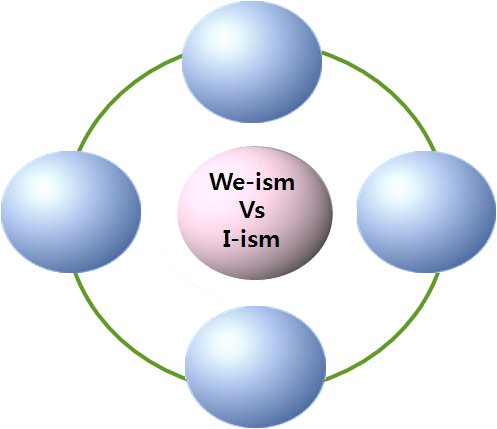
설득문의 첫걸음! 주제 "한국의 '우리주의(We-ism)'의 좋은 점과 나쁜 점"에 대해 양쪽을 적어 보세요(10문장 이내).
WRITING · 공항에서 돈 봉투를 주고받으며 한바탕 — 체면과 '주고 사양하기' 문화. 핵심 가치: 겉모습 너머의 맥락 · 쓰기 전략: 근거 세우기(Supporting Ideas)
At an American airport, the writer saw some Koreans who looked as if they were quarreling. They were actually relatives saying goodbye. A younger woman tried to give an envelope of money to an older one. "No, I cannot take your money," the older woman refused, waving her hand.
One ran away; the other chased her, pushing the envelope. When people stared, they stopped, and the money went into the older woman's pocket. A few minutes later, the older woman's husband added some of his own money and gave it back to the younger woman: "Buy a pretty dress for the baby." Again they refused and insisted — until he said firmly, "Stop making a scene in public!"
For Koreans, this giving-and-refusing is a kind of show to save face in public. To Westerners, it can be confusing — and may cause a culture clash.
On my way back to Korea from America, I saw a strange scene at John F. Kennedy Airport. Some Koreans looked as if they were quarreling, but they were relatives bidding farewell. A young woman handed an envelope to an older one: "Sister-in-law, this is just a little money — the taxi fare home." The older woman refused, waving her hand: "No! I cannot take your money. You've done more than enough for us."
One ran away waving; the other ran after her, sticking out the envelope. Noticing everyone staring, they stopped, and the envelope was stuffed into the older woman's pocket. A few minutes later, the older woman's husband whispered to her, took the envelope, added some of his own money, and had her give it to the younger woman: "Use this to buy a pretty dress for the baby." "No, I cannot take it..." Just as they were about to make another scene, the husband exclaimed gravely, "Stop making a scene in full view of the crowd!"
What the Korean couples did is understandable for Koreans, who take it for granted, because we know it is a kind of a show in an effort to save face in public. But for Westerners, this cannot be understood — and it might cause a culture clash.
숫자를 고르고 True/False! 한 줄 먼저 만들면 승리.
설득문의 핵심은 분명한 입장(position)과 탄탄한 근거입니다. 지난 과 주제(개인 vs 공동)로, 내 입장과 근거 3개를 적어 보세요.
남해의 아름다운 섬 정원, 거제 외도(보타니아)로 가 봅시다.
원어민 교사 Nate의 "School Sports" 이야기 — 운동부 특별대우 vs 미국 학생선수의 학업 요건. 토의: '특별대우'와 '학업 균형', 무엇이 학생에게 더 이로울까?
설득문 뼈대를 만드세요: 입장문 → 근거 3개 → 예상 반론과 그에 대한 답.
WRITING · 토론에 약한 한국 학생들과 유교의 수직 관계 — 소통 방식의 뿌리. 핵심 가치: 쌍방향 소통 · 쓰기 전략: 초고 쓰기(시작·중간·끝)
Two Americans, Sam and Paul, started a club with four Korean students to discuss culture in English. But the Korean students stayed quiet. Even when allowed to speak Korean, it made no difference. Sam guessed it was not a personal fault but a social cause.
So-yun explained: at her home, three generations lived together. When her mother tried to reason with the grandparents, the grandmother would roar, "You're going to teach me? Stop it! Age knows better than books." Her mother would then retreat to her room for days.
Yun-jin added that Confucian moral codes place human relationships above all, but those relationships are based on inequality — a vertical order. In such a culture, one-directional communication grows more than free discussion. "That's why we got used to just listening. But now we should change our way of communicating."
Sam and Paul started the Cross-Cultural Communication Club with four Korean students to discuss Korean culture in English. The Korean youngsters were mostly inactive; Paul tried to prompt them but in vain. Allowing them to speak Korean made no difference. So Sam said, "I think Korean students are inactive in discussions — not from personal shortcomings, but the influence of society. Let's discuss: 'What makes Koreans weak in taking part in discussions?'"
So-yun presented first: "The strict atmosphere at my house was the culprit. Three generations lived together. When my mother tried to reason with my grandparents about their conflicting views, my grandmother would roar, 'You're going to try to teach me? Stop it! Age knows better than books.' Then my mother would retreat to her bedroom for days. In traditional Korean society, talking back to one's parents is regarded as rude."
Yun-jin added: "Confucianism placed human relationships above everything, summed up in the three principles and five disciplines — but they are based on inequality. Even between spouses there is no equality; the worst part is the woman's three laws of obedience. In a culture of vertical relationships, one-directional communication flourishes more than intercommunication. That's why we got used to listening to teachers rather than taking part in discussion. But now we should mend our ways."
숫자를 고르고 True/False! 한 줄 먼저 만들면 승리.
좋은 글은 시작(주제+입장) → 중간(근거 문단들 + 마지막엔 반론에 답) → 끝(입장 재진술 + 통찰)로 짭니다. 전환어(First/Secondly/Most importantly...)도 활용하세요.
초록 물결의 보성 다원으로 가 봅시다.
원어민 교사 Nate의 "You Cannot Speak to Me Like That" 이야기 — '옳고 그름과 무관하게 어른을 존중'하는 위계에서 겪은 갈등. 토의: 존중과 '옳음을 말할 권리'는 어떻게 함께 갈 수 있을까?
앞 과의 입장·근거로 한 편의 설득문 초고를 써 보세요. 전환어를 사용하세요.
WRITING · "언니·오빠"로 부르는 친밀함 — 호칭과 관계 중심 문화. 핵심 가치: 친밀함의 다양한 표현 · 쓰기 전략: 고쳐쓰기(Revising)
Paul (a Korean-American) and Sam visited a Korean university. They saw a young woman calling a young man "Oppa" (elder brother), and two women calling each other "Eun-ni" (elder sister). Sam guessed they were sisters — or even a couple. He asked them directly.
"No, we're classmates. But she is two years my senior, so I call her Eun-ni. We Koreans like to use family terms to sound more intimate — to narrow the psychological distance through chung (affection). Age matters in every relationship here."
Paul also advised Sam: "In Korea, don't call seniors or relatives with a pronoun like 'you'. Call them 'teacher' or by their relationship term. Pronouns are used for things, or for people younger or lower." Korean relationships, he said, are vertical, showing respect by titles.
Paul Lee, an Americanized Korean youth, visited Korea with his friend Sam to learn the language. On the campus of Gyeongsang National University, they saw a young woman clinging to a young man, calling him "Oppa (elder brother)." Then they saw two young women walking hand in hand; one called the other "Eun-ni (elder sister)." Sam guessed they might be sisters, or even a couple, and asked directly.
"No, we're classmates in the English Education Department. But this lady is two years my senior, so I call her Eun-ni. We Koreans like to address one another using terms used for relatives, to sound more intimate — to narrow the psychological distance through chung (affection). For Koreans, human relationships are everything. Age must be considered in every relationship." About the couple: "They're boyfriend and girlfriend." "But she called him 'elder brother'." "That's the usual way in Korea."
Later Paul advised Sam: "In Korea, take care not to call relatives or your seniors using a pronoun. Don't say 'you' to a teacher — call him 'teacher.' Pronouns refer to impersonal things, or to people younger or inferior. I was once scolded for calling my grandfather 'you.' Human relationships in Korea are vertical; we pay respect to seniors by their titles or relationship terms."
숫자를 고르고 True/False! 한 줄 먼저 만들면 승리.
고쳐쓰기 점검: ① 논리 오류 없는가(군중심리·성급한 일반화) ② 문단 순서가 효과적인가 ③ 군더더기 수식어를 뺐는가. 내 초고에서 고칠 점 두 가지를 적어 보세요.
아름다운 사찰, 순천 송광사로 가 봅시다.
원어민 교사 Nate의 "It's All in a Name" 이야기 — 한국의 호칭(오빠·언니)과 미국의 이름 부르기 문화. 토의: 호칭은 관계를 어떻게 바꿀까?
18과에서 쓴 초고를 점검표로 고쳐, 더 좋은 버전으로 다시 써 보세요.
WRITING · 돈 이야기를 분명히 묻는 미국인 vs 꺼리는 한국 PTA — 돈에 대한 이중 기준의 뿌리. 핵심 가치: 솔직함과 맥락 · 쓰기 전략: 다듬기(Editing)
A Korean school's PTA wanted to hire a young American, a clergyman-to-be, to teach English after school. At the meeting, the chairman said, "Thank you for agreeing to teach our children." But James replied, "I don't think I've agreed yet. First, what's the pay?"
The PTA members were embarrassed. They said, "Don't worry about money — Koreans are not misers about education." But James kept asking clearly: How much per hour? Before or after tax? Weekly or monthly? Some members felt, "He is too interested in money to be a good teacher."
Mr. Park explained, "You were too inquisitive about money. That's not our way." "But in America we discuss money openly." "I know — but follow our way for now." James agreed. Later, Mr. Park used a Korean folktale to show the 'double standard': scholars publicly acted aloof about money while calculating inwardly — "plain living and high thinking."
A Korean middle school's PTA decided to employ a native instructor to teach English conversation after school. The applicant, a clergyman-to-be whose father was a preacher, said he loved teaching children. His self-introduction made such a good impression that they agreed to hire him. At the meeting, the chairman said, "James, thank you for agreeing to teach our children." But James said, "I don't think I've agreed yet. Before I give my consent, I'd like to ask a few questions. First, what's the pay?"
The members were embarrassed. "Tell him we'll pay more than enough." "Koreans are not misers about education." James grew more confused: "Why don't they tell me exactly? I must know the pay per hour." "At least ten per hour!" "Before or after tax?" "After tax!" "Daily, weekly, or monthly? Weekly, paid in advance, would be best." The members suspended the meeting and whispered: "He is too interested in money to be a good teacher."
Mr. Park told James, "You were too inquisitive about money matters." "But in America we discuss money openly and clearly." "I know that's your way, but not ours. You'd better follow our way for now." James agreed to sign. The next day he e-mailed, curious why Koreans equivocate about money. Mr. Park used the folktale *The Story of a Nobleman*: Confucian scholars publicly made believe to act aloof about money — "plain living and high thinking" — while calculating inwardly.
숫자를 고르고 True/False! 한 줄 먼저 만들면 승리.
마지막 단계! 어법 점검(구두점·대문자·철자·문법) → 끌리는 제목 붙이기 → 루브릭으로 자기평가.
우리나라에서 가장 높은 산, 제주 한라산으로 가 봅시다.
원어민 교사 Nate의 "Here Comes the Bride" 이야기 — 서양 결혼식(리허설 디너·피로연)과 한국의 간소한 결혼식 비교. 토의: 의례의 차이는 무엇을 말해줄까?
19과의 고친 글을 어법까지 다듬어 최종본으로 완성하세요. 제목도 붙여요!
15→17→18→19→20과로 설득문 한 편을 완성했습니다! 마지막 약속:
WRITING · "Yes"가 "No"가 되는 순간 — 설득하는 글쓰기(Persuasive Writing) 1단계: Pre-writing. 핵심 가치: 명확한 약속(clear commitment)과 책임
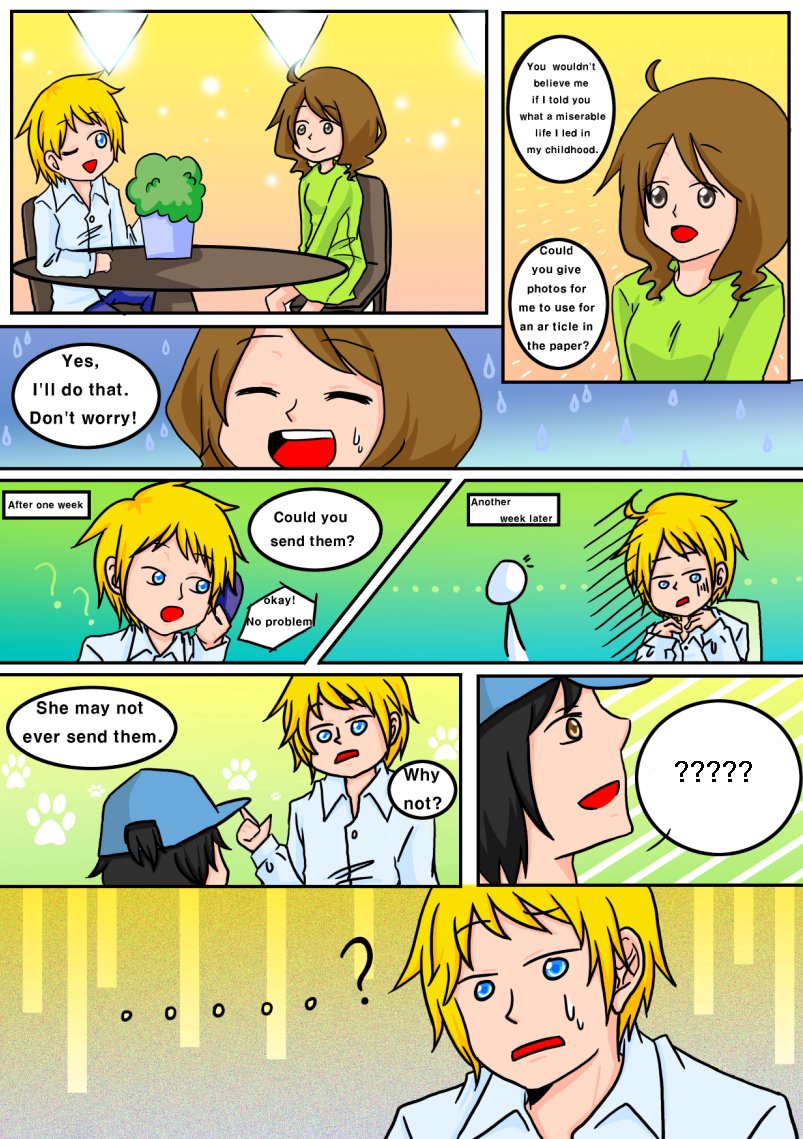
An American reporter came to Korea to interview a famous actress. She told him about her hard childhood and said, "I have some old photos. My parents keep them in my hometown."
"Could you send them to me in America?" he asked.
"Yes, I'll do that. Don't worry!" she said.
The reporter flew home and waited. One week — nothing. He called. "Okay, okay! No problem. I will send them soon." Another week — still nothing. He felt insulted.
A Korean-American friend told him: "She may never send them. Many Koreans think saying 'no' directly is rude. Her 'yes' was a soft way of saying 'it will be difficult.'"
"But isn't breaking a promise also rude?" the reporter asked. Who is right?
1A reporter for a world-famous newspaper in America was dispatched to Korea to cover a famous actress' debut. When the interview was nearly finished, the actress suddenly assumed a sentimental look. She said, "You wouldn't believe me if I told you what a miserable life I lived in my childhood." The reporter asked her to tell more — her past might highlight her present success. "I have some photos of those days. My parents have them. They live in my hometown."
2"Then, could you send them directly to me in America?" — "Yes, I'll do that. Don't worry!"
3The reporter flew back to New York and waited. Nothing came. After a week, he called her. She answered without apologizing, "Okay, okay! No problem. I will send them soon." Another week passed — still nothing. He felt insulted. He was about to give up the article when he happened to talk with a Korean-American reporter, who didn't look shocked at all: she might not send the photos at all.
4"Why not?" — "She may be too busy, or may not have found them." — "Then she could have told me why." — "Korean people think it is rude to say 'no' directly." — "Don't you think it is also rude not to keep a promise?" — "As a Korean-American, I understand and agree with you. However, most Koreans may think she did the right thing in her own way."
혼자 답을 쓰고(1) → 짝과 비교하고(2) → 4인 모둠에서 근거와 단서를 설명하세요(4).
설득하는 글의 재료는 4가지: Facts(사실) · Statistics(통계) · Quotations(인용) · Anecdotes(일화). 각 설명에 맞는 단어를 고르세요.
집단주의(We-ism)와 개인주의(I-ism)에 대해 아는 것·경험한 것을 노트카드에 자유롭게 쓰세요. 다음 단계 글쓰기의 재료가 됩니다.
이번에는 외국인 친구의 눈으로 서울을 봅니다. 경복궁 상공에서 출발!
'무례하지 않게 진실 말하기'는 기술입니다. 듣고 따라해 보세요.
노트카드 재료로 설득하는 문단을 조립합니다. 논제 예시: "In global teamwork, clear answers are kinder than soft answers." (반대 입장도 환영!)
모둠 미션: 우리 반의 '약속 문화'를 바꾸는 작은 캠페인을 설계하세요. 조건: 지킬 수 있는 약속만, 기한과 함께.
MEDIA LITERACY · AI가 만든 가짜 재난 사진 때문에 정보를 잘못 믿을 뻔한 이야기 — 진짜와 가짜를 가려내는 법. 핵심 가치: 비판적 사고와 정보 확인(verification) · 읽기 전략: 팩트체크 체크리스트(Lateral Reading)
SNS에서 이런 사진을 봤다고 상상해 보세요: 세계적으로 유명한 관광지가 물에 잠기고, "지금 바로 일어나고 있는 일!"이라는 설명이 붙어 있습니다. 너무 놀라운 사진이라 바로 공유 버튼을 누르고 싶어집니다.
Minji saw a shocking photo on her phone. It showed Venice's famous canals with giant waves crashing over St. Mark's Square. The caption said, "BREAKING: Venice is sinking forever — today!" Minji's heart raced. She was about to share it with her class chat.
Her cousin Jinho, who studies media at university, looked over her shoulder. "Wait," he said. "Let's check this first." He searched the same words from the caption online. Three fact-checking websites had already written about this exact photo.
"It's fake," Jinho said. "Someone used an AI image generator to make it. Look here — the flag has six colors, but real Italian flags only have three. AI often makes small mistakes like that." Minji looked closer and saw it too.
"But it looked so real," Minji said. Jinho smiled. "That's exactly why we can't just trust our eyes anymore. We have to verify before we believe — and definitely before we share."
Minji did not press "share." Instead, she posted a comment under the original photo: "This looks AI-generated — please check before sharing." Three of her friends thanked her the next day.
1It was a quiet Tuesday evening when Minji's phone buzzed with a notification from her class group chat. Someone had posted a photograph that made her stomach drop: the world-famous canals of Venice, usually calm and postcard-pretty, now shown under a wall of dark water, with waves crashing violently over the marble columns of St. Mark's Square. The caption, written in urgent capital letters, read: "BREAKING: VENICE IS SINKING FOREVER — HAPPENING RIGHT NOW." Minji's thumb hovered over the share button. Seventeen of her classmates had already reposted it.
2Just as she was about to tap "share," her cousin Jinho walked into the room. Jinho was in his second year at university, majoring in media and communication, and he had a habit that used to annoy Minji: he never believed anything on the internet right away. "Hold on a second," he said, glancing at her screen. "Before you send that, let's spend thirty seconds checking it." Minji sighed but handed him her phone.
3Jinho didn't zoom in on the photo first. Instead, he copied a few words from the caption and pasted them into a search engine — a technique he called "lateral reading," or checking a claim by looking sideways across other sources instead of staring only at the image itself. Within seconds, three separate fact-checking organizations appeared in the results, each with headlines like "No, this viral Venice flood photo is not real."
4"See this?" Jinho zoomed into one detail of the original photo: a small Italian flag fluttering from a nearby pole. It had six stripes of color instead of the correct three. "AI image generators are getting better every year, but they still make strange little mistakes — flags with the wrong number of stripes, hands with six fingers, text that looks like letters but spells nothing at all. If something looks dramatic and perfect at the same time, that's often your first clue to look twice."
5Minji stared at the fake flag, embarrassed that she had almost shared it without a second thought. "But it looked so real," she said quietly. "That's exactly the problem," Jinho replied. "It's not that you're careless — it's that the technology was built to be convincing, not to be true. Feeling certain is not the same as being correct." Minji did not press "share." Instead, she typed a comment underneath the original post: "This image appears to be AI-generated — please verify before sharing further." The next morning, three classmates messaged her to say thank you; one of them had already sent it to her grandmother.
숫자를 고르면 본문에 관한 문장이 나옵니다. True/False를 맞히면 그 칸이 내 칸(파랑), 틀리면 AI 팀(빨강) 차지! 한 줄을 먼저 만들면 승리합니다.
왼쪽 단어와 오른쪽 뜻을 차례로 클릭해 짝을 맞추세요. 단어를 누르면 발음도 들려줍니다.
본문에서 배운 방법을 나만의 언어로 정리해 보세요. 다음에 놀라운 정보를 만나면 이 순서를 떠올리세요. 자동 저장됩니다.
'진짜 지식'을 모으고 지키려 했던 인류의 오래된 노력을 찾아, 이집트 알렉산드리아로 가 봅시다.
놀라운 정보를 만났을 때, 무시하지도 무조건 믿지도 않는 표현을 듣고 따라 말해 보세요.
오늘날 AI 이미지는 손가락 개수나 국기 무늬 같은 사소한 실수를 남기지만, 기술은 점점 더 정교해지고 있습니다. 만약 AI가 만든 사진과 영상에서 더 이상 어떤 실수도 찾을 수 없게 된다면, 우리는 대신 무엇을 확인해야 할까요? (예: 게시자의 신뢰도, 최초 출처, 다른 독립된 목격자의 존재 등)
관찰→맥락→존중을 정보에도 적용해 봅시다. 진실을 지키는 작은 습관 하나를 약속하세요.
가짜 정보를 진짜로 믿었던 순간을 영어로 90초 녹음해 보세요. 시작 도움: Once, I saw ... / I believed it because ... / Now, before I believe something, I will ...
DIGITAL CITIZENSHIP · 익명 뒤에서 쉬워지는 말들 — 온라인 탈억제 효과와 댓글 속 공감. 핵심 가치: 온라인 존중과 공감(empathy) · 읽기 전략: 의도(intention) vs 영향(impact) 구분하기
누군가 SNS에 노래 영상을 올렸는데, 이름도 사진도 없는 계정이 이렇게 댓글을 남겼습니다: "This is painful to listen to. Please don't sing in public again."
Jimin uploaded a video of herself singing for the school talent show. Within an hour, over fifty people had watched it. Most comments were kind: "You have a beautiful voice!" and "Good luck at the show!"
But one comment, from an anonymous account with no name or photo, said: "This is actually painful to listen to. Please don't sing in public again." Jimin read it three times. Her face grew hot, even though she was alone in her room.
She showed it to her older brother, Junho. "Why would someone say that?" she asked. Junho said, "People often write things online they would never say to your face. It's called the online disinhibition effect — when you can't see the other person's face, it's easier to forget they have feelings too."
"Should I write back?" Jimin asked. "You could," Junho said, "but it usually doesn't help much. What matters more is: don't let one anonymous voice erase fifty kind ones."
That night, Jimin remembered a comment she once left on a stranger's dance video — "lol so awkward" — meant as a joke, but posted where anyone could read it. She deleted it, and wrote something new for a stranger instead: "I really liked your energy in this video!"
1Jimin had rehearsed the song for three weeks before she finally worked up the courage to upload a video of herself singing for the school's annual talent show. Within the first hour, the view count climbed past fifty, and the comment section filled with encouragement: "You have such a beautiful voice!", "Good luck at the show, you'll do great!", and a string of heart emojis from her closest friends.
2Then, near the bottom of the thread, she noticed a comment from an account with no profile photo and a string of random numbers instead of a name. It read: "This is actually painful to listen to. Please don't sing in public again." Jimin read the sentence three times, as if rereading it might change the words. Her face grew hot, even though she was sitting alone in her room with the door closed.
3She brought her phone to her older brother, Junho, who was in his final year of a media studies degree. "Why would a total stranger say something like this?" she asked, her voice shaking slightly. Junho read the comment, then looked at her gently. "This is something researchers call the online disinhibition effect," he explained. "When people can't see your face, hear your voice crack, or notice you're actually hurt, it becomes much easier for them to forget that a real person is on the other end of the screen. Anonymity removes the natural brakes most people have in face-to-face conversation."
4"Should I reply to them?" Jimin asked. "You could," Junho said, "but arguing rarely changes an anonymous stranger's mind, and it can pull your attention away from the fifty people who were genuinely kind. You can report the comment if it breaks the platform's rules, or simply hide it. The real skill isn't winning an argument with a troll — it's making sure one anonymous voice doesn't outweigh fifty honest ones in your own head."
5That night, lying in bed, Jimin found herself thinking about a comment she had left on a stranger's dance video months earlier — "lol so awkward" — typed quickly and half-jokingly, the kind of thing she might have said to a close friend as a tease, but posted in public where the stranger, and thousands of others, could read it. She had never once wondered how it landed on the other end. She opened the app, found the comment, and deleted it. Then, on Jimin's own video, right below the first unkind comment, she typed something new for a stranger to read: "I really liked your energy in this video — keep going."
숫자를 고르면 본문에 관한 문장이 나옵니다. True/False를 맞히면 그 칸이 내 칸(파랑), 틀리면 AI 팀(빨강) 차지! 한 줄을 먼저 만들면 승리합니다.
왼쪽 단어와 오른쪽 뜻을 차례로 클릭해 짝을 맞추세요. 단어를 누르면 발음도 들려줍니다.
아래 온라인 댓글들을 보고, 상대의 얼굴 앞에서도 할 수 있는 말인지 판단한 뒤, 무례한 댓글은 존중을 담아 다시 써 보세요. 자동 저장됩니다.
전 세계 통신·인권 기준을 함께 정하는 도시, 스위스 제네바로 가 봅시다.
누군가 상처받은 것을 보았을 때, 방관하지 않고 건넬 수 있는 말을 듣고 따라 말해 보세요.
온라인에서 누군가 괴롭힘당하는 것을 목격했을 때, 우리는 대개 bystander(지켜만 보는 사람)가 되기 쉽습니다. 하지만 upstander(나서서 돕는 사람)가 될 수도 있습니다 — 신고하기, 피해자에게 위로 메시지 보내기, 공개적으로 옹호하는 댓글 남기기 등. 여러분이 upstander가 되기 어려운 이유는 무엇이고, 그 어려움을 어떻게 넘을 수 있을까요?
관찰→맥락→존중을 온라인에도 적용해 봅시다. 화면 너머의 사람을 존중하는 습관 하나를 약속하세요.
온라인에서 말 때문에 나 또는 누군가 상처받았던 순간을 영어로 90초 녹음해 보세요. 시작 도움: Once, I saw/read a comment that ... / It made me feel ... / Now I try to ...
DIGITAL CITIZENSHIP · 재미로 받은 퀴즈 앱이 요구한 '연락처 권한' 하나가 부른 일 — 나의 데이터, 나만의 것이 아니다. 핵심 가치: 개인정보 보호(privacy)와 최소 권한 원칙 · 읽기 전략: 원인과 결과 잇기(Cause & Effect)
재미로 하는 성격 유형 퀴즈 앱을 설치했더니, 결과를 보기 전에 이런 창이 뜹니다: "이 앱이 연락처(Contacts)에 접근하도록 허용하시겠습니까?"
Yuna downloaded a fun quiz app that promised to tell her which K-pop concept fit her personality. Before the result appeared, a pop-up asked: "Allow access to your contacts?" Yuna tapped "Allow" without reading further — she just wanted her result.
A week later, several friends messaged her: "Why did I get a strange ad text with your number attached?" Yuna was confused. She had never sent anything like that.
She asked her older sister, Somin, who works in cybersecurity. Somin looked at the app and sighed. "This app didn't need your contacts to show a quiz result," she said. "It probably collected them and used the list for advertising. That's how your friends got spam."
"But I only gave them my information," Yuna said. Somin explained, "When you shared your contacts, you also shared your friends' phone numbers — without asking them first. Your data footprint isn't only yours; it belongs to the people connected to you, too."
Yuna deleted the app and reported it. She also messaged her friends: "Sorry — an app I downloaded leaked your numbers. I'll be more careful about permissions from now on."
1Yuna had scrolled past dozens of ads for the same app that week: a colorful quiz promising to reveal which K-pop concept — "girl-crush," "innocent," or "hip-hop" — matched her personality best. Curious and a little bored on a Tuesday evening, she finally downloaded it. Before her results could load, a pop-up window appeared: "QuizVibe would like to access your Contacts." Eager to see her result, Yuna tapped "Allow" without reading the explanation below the button, the way she almost always did.
2About a week later, three separate friends messaged her within the same afternoon, each asking a version of the same confused question: "Why did I get a weird ad text that says it's 'from a friend of Yuna'?" Yuna had no idea what they were talking about. She hadn't sent anyone a single message about concert tickets or discount coupons.
3Puzzled and a little worried, she brought her phone to her older sister, Somin, who worked at a cybersecurity company. Somin opened the quiz app, scrolled through its permissions and its terms of service — a long block of text that almost nobody actually reads — and sighed. "This app didn't need your contacts to calculate a personality quiz result," she said. "There's a good chance it collected your entire contact list in the background and used it, or sold it, for advertising. That's most likely how your friends ended up receiving those texts."
4"But I only agreed to share my information — not theirs," Yuna protested. Somin shook her head gently. "That's the part most people don't realize," she said. "The moment you allowed access to your contacts, you weren't only sharing your own data. You were also sharing your friends' names and phone numbers — without ever asking them if that was okay. Your data footprint doesn't stop at you; it can pull in everyone connected to you, too."
5Yuna deleted the app immediately and reported it through the app store. Then she opened her group chat and typed an honest message: "Sorry, everyone — an app I downloaded without checking its permissions may have leaked your numbers. I'll read what I'm agreeing to from now on, and I wanted you to know first." A few of her friends thanked her for being upfront, and one admitted she had allowed the exact same permission on a different quiz app just days before.
숫자를 고르면 본문에 관한 문장이 나옵니다. True/False를 맞히면 그 칸이 내 칸(파랑), 틀리면 AI 팀(빨강) 차지! 한 줄을 먼저 만들면 승리합니다.
왼쪽 단어와 오른쪽 뜻을 차례로 클릭해 짝을 맞추세요. 단어를 누르면 발음도 들려줍니다.
아래 세 가지 앱의 권한 요청을 보고, 허락할지 말지와 그 이유를 영어로 써 보세요. 자동 저장됩니다.
전 세계 앱 개인정보 규칙에 큰 영향을 준 법이 태어난 도시, 벨기에 브뤼셀로 가 봅시다.
권한 요청 앞에서 잠깐 멈추는 표현을 듣고 따라 말해 보세요.
"If a service is free, you might be the product." 많은 무료 앱과 서비스는 돈 대신 여러분의 데이터로 수익을 냅니다. 무료 서비스가 실제로 어떻게 돈을 버는지 한 가지 예를 생각해 보고, 그 대가로 이용자는 무엇을 지불하는 셈인지 토의해 보세요.
관찰→맥락→존중을 나의 데이터와 친구의 데이터에도 적용해 봅시다. 지키는 습관 하나를 약속하세요.
개인정보를 깊이 생각하지 않고 넘겼던 순간을 영어로 90초 녹음해 보세요. 시작 도움: Once, I allowed ... without thinking / Later, I realized ... / Now, before I allow something, I will ...